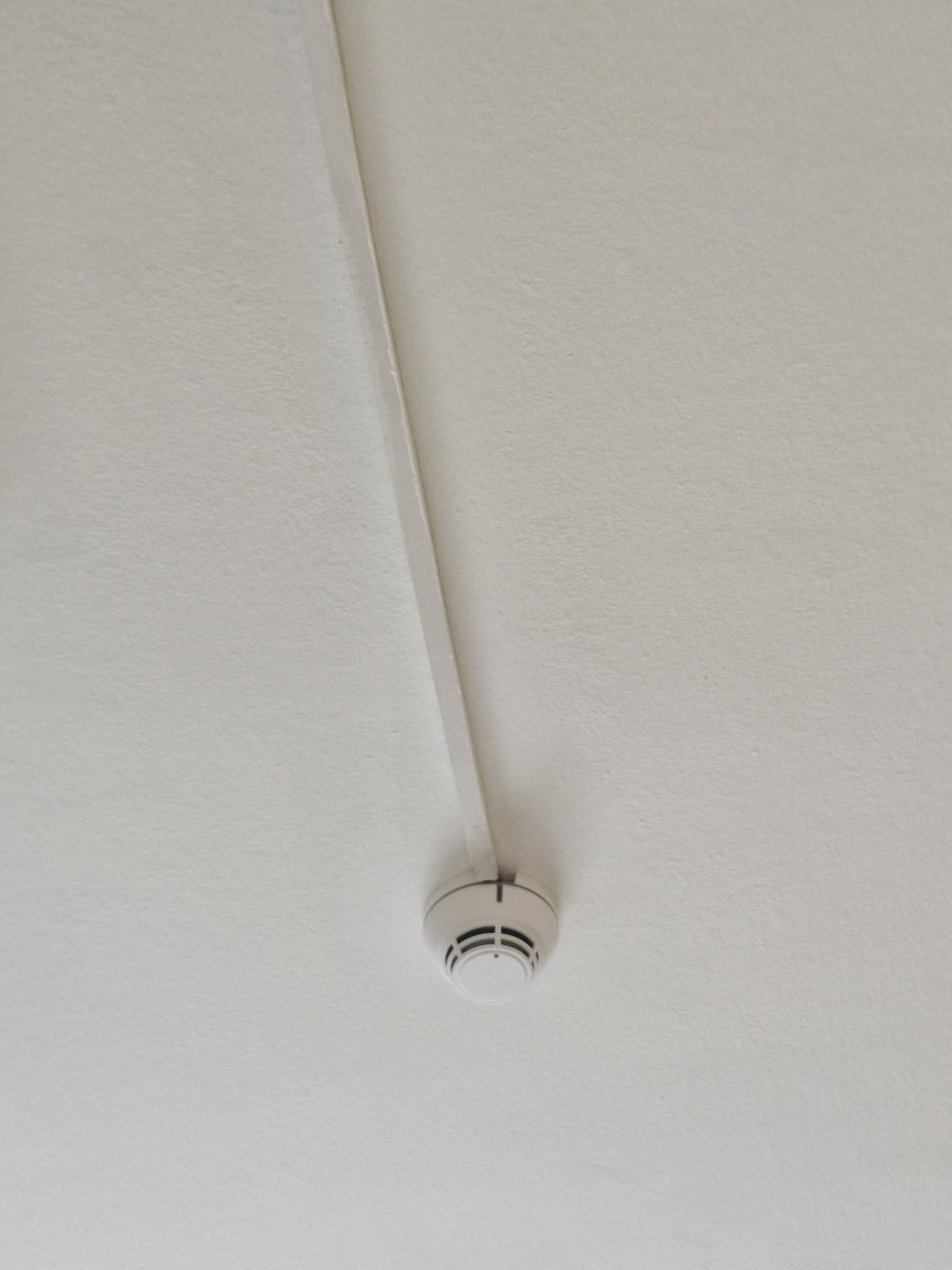
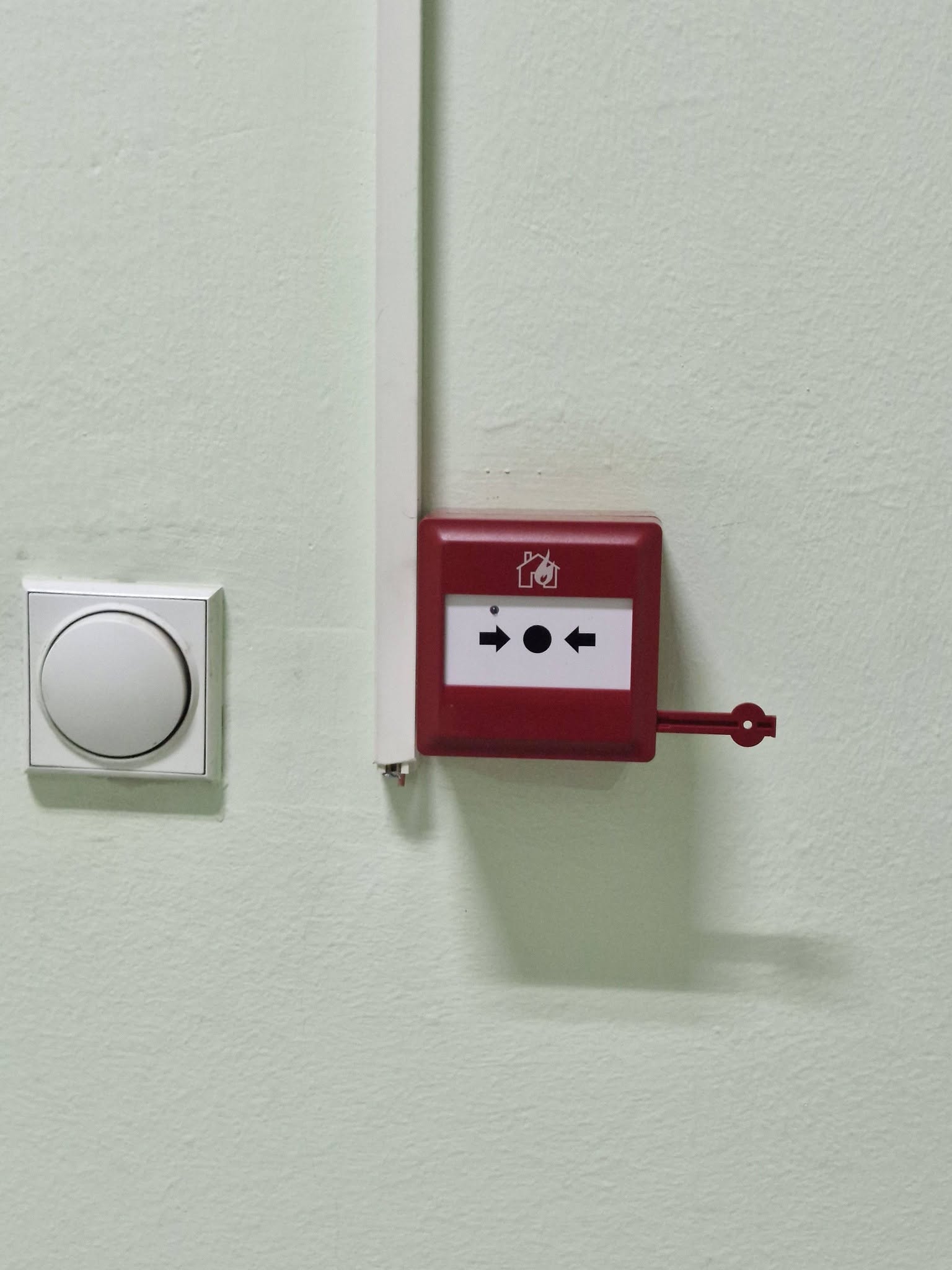
Goce Delčev Library in Veles, North Macedonia, is protected by an addressable fire alarm system built around the ANWETECH AT-F101 Addressable Fire Alarm Control Panel.
The installed system includes addressable smoke detectors for automatic fire detection, manual call points for occupant-initiated alarms, and sounder beacons for audible and visual warning. Together, these devices provide an integrated fire detection and alarm solution suitable for a public library environment.
The AT-F101 provides the central monitoring and control platform for the system. Its addressable architecture enables individual field devices to be identified by address, helping operators determine the source of a fire alarm or system fault more efficiently than with a non-addressable detection arrangement.
| Project Item | Confirmed Information |
|---|---|
| Project Name | Goce Delčev Library – Veles |
| Location | Veles, North Macedonia |
| Application | Library fire detection and alarm |
| System Type | Addressable fire alarm system |
| Main Control Panel | ANWETECH AT-F101 Addressable Fire Alarm Control Panel |
| Automatic Detection | Addressable smoke detectors |
| Manual Alarm Devices | Addressable manual call points |
| Alarm Notification | Addressable sounder beacons |
| Fire Indication Capacity | Up to 16 fire indication zones |
| Loop Configuration | One addressable loop |
| Maximum Panel Capacity | Up to 120 addressable points |
| Loop Wiring | Class A or Class B configuration |
| Panel Standard | EN 54-2 and EN 54-4 |
Project-specific device quantities, installation date and detailed area allocation are not published.
Libraries require reliable fire detection because they commonly contain a considerable amount of combustible material, including books, paper records, shelving, furniture and interior finishes. A fire involving paper-based materials can develop progressively before becoming visible across a larger area.
Electrical equipment, lighting circuits, power supplies and other building services may also introduce potential ignition sources. If a fire begins in a less frequently occupied section of the building, delayed discovery could allow smoke and heat to spread before manual intervention is possible.
The principal fire-safety requirements for this application therefore include:
The ANWETECH AT-F101 was selected as the central fire alarm control panel because its addressable architecture is suitable for projects that require individual field-device identification and organized alarm management.
The panel supports one addressable loop with a maximum capacity of 120 addressable points. It also supports up to 16 fire indication zones, allowing connected devices to be logically organized according to the protected building layout.
For a library application, addressable identification provides an important operational benefit. When a smoke detector, manual call point or other connected device reports an event, the panel can identify the relevant address instead of presenting only a general circuit alarm. This helps building personnel investigate the affected location more efficiently.
The AT-F101 also supports Class A and Class B loop wiring, allowing the loop arrangement to be selected according to the approved project design and site requirements.
The system was designed around four essential fire-alarm functions: detection, manual initiation, notification and centralized control.
Addressable smoke detectors provide automatic detection within the protected library environment. Each detector is assigned an individual address so that its status can be monitored by the AT-F101 panel.
Addressable manual call points allow occupants or staff to initiate a fire alarm manually after discovering smoke or fire. As addressable devices, their activation locations can be identified at the control panel.
Addressable sounder beacons provide audible and visual alarm notification. This combination helps alert building occupants and supports evacuation or emergency response procedures.
The AT-F101 receives information from the addressable field devices, displays fire and fault events, and manages programmed output responses. Devices can be assigned to fire indication zones based on the building’s approved alarm zoning plan.
The confirmed system consists of:
The AT-F101 technical configuration provides:
Individual field-device models and installed quantities have been intentionally omitted because they were not confirmed for this project.
The addressable devices are connected to the AT-F101 through the fire alarm loop and assigned individual addresses according to the project’s address schedule.
The documented AT-F101 installation and commissioning workflow includes:
The precise cable routes, device locations, test results and commissioning date for the Goce Delčev Library installation have not been published and are therefore not included.
The addressable fire alarm system provides Goce Delčev Library with a structured method of detecting, identifying and communicating fire events.
Key project benefits include:
This project demonstrates how a compact addressable fire alarm control panel can be combined with automatic detectors, manual call points and notification devices to form an integrated fire-safety solution for a library.
The AT-F101 addressable fire alarm system is suitable for similar small and medium-sized applications requiring individual device identification and centralized fire-alarm management, including:
The final device quantities, detector spacing, zoning and cause-and-effect strategy must be determined according to the building layout, local requirements and approved fire-safet
