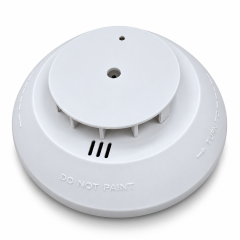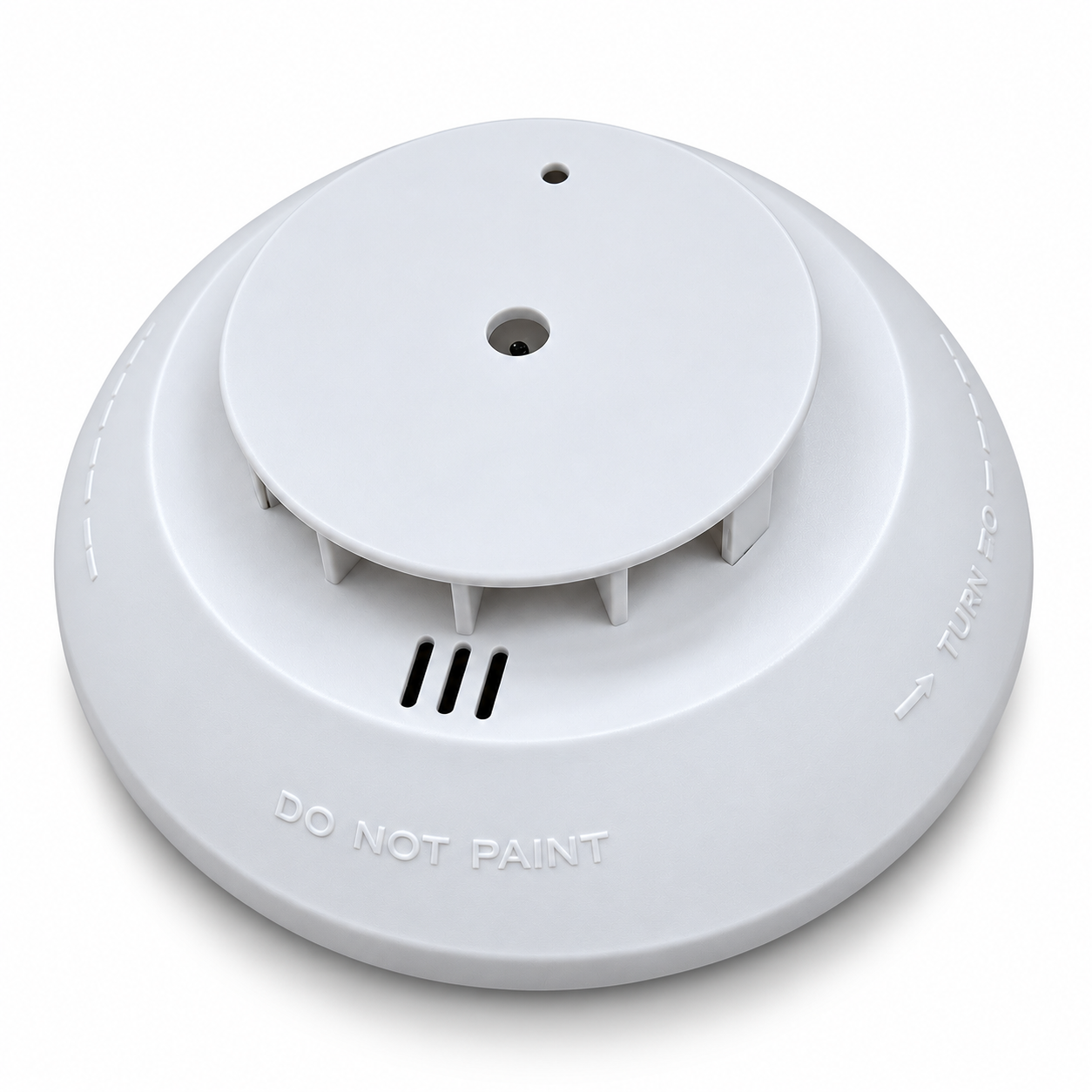
The ANWETECH AT-H211 is a standalone battery-powered heat alarm designed for reliable temperature monitoring and fire warning.
Featuring a 10-year long-life battery design, Class A1 heat detection, 54°C–65°C static response temperature, ≥85dB audible alarm, and convenient test/hush function, it provides a low-maintenance heat detection solution for residential and commercial applications.
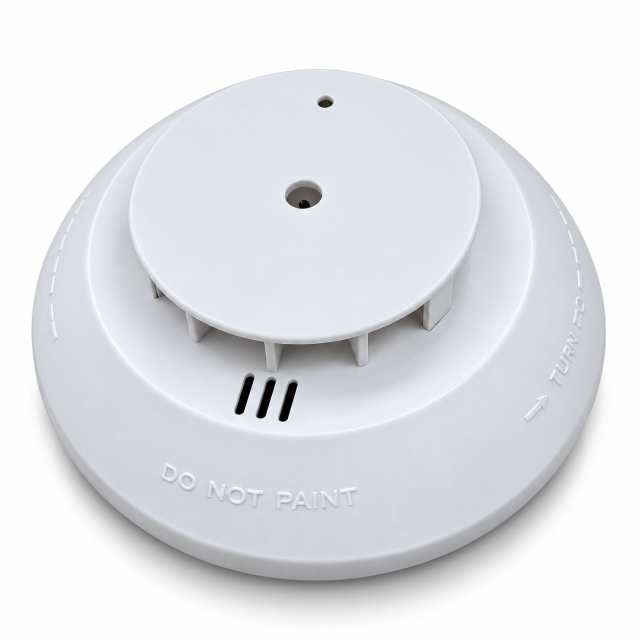
The ANWETECH AT-H211 Standalone Heat Alarm is designed to respond when the surrounding temperature reaches its specified alarm threshold.
Once activated, the built-in buzzer produces a loud audible alarm while the red LED flashes to alert occupants to a potential fire hazard.
The detector features Class A1 heat detection with a static response temperature range of 54°C to 65°C.
Powered by a replaceable 3V CR123A lithium battery, the AT-H211 requires no external electrical power supply or wired fire alarm control panel connection.
Its low standby current helps support efficient battery operation.
The integrated test/hush button allows users to check the alarm's operation and temporarily silence nuisance alarms after confirming that no fire hazard is present.
The alarm automatically resumes normal operation approximately 90 seconds after hush mode activation.
The AT-H211 includes visual and audible indicators for normal operation, alarm activation, low battery voltage, and device malfunction, supporting routine inspection and maintenance.
With dimensions of Ø110 × 35 mm, the compact alarm is designed for simple ceiling installation using the supplied mounting accessories.
Standalone battery-powered heat alarm
Class A1 heat detection
Static response temperature: 54°C–65°C
Built-in ≥85dB audible alarm at 3 meters
Red LED indication during alarm activation
Green LED normal operating status indication
Yellow LED low-battery and fault indication
Integrated test and hush button
Approximately 90-second temporary hush function
Low standby current of ≤10μA
Replaceable 3V CR123A lithium battery
Automatic return to normal status after temperature recovery
Compact Ø110 × 35 mm housing
Simple ceiling installation
No external power wiring required
| Parameter | Specification |
|---|---|
| Brand | ANWETECH |
| Model | AT-H211 |
| Product Type | Standalone Heat Alarm |
| Detection Type | Heat Detection |
| Heat Detection Class | A1 |
| Static Response Temperature | 54°C–65°C |
| Operating Voltage | DC 3V |
| Battery Type | CR123A Lithium Battery |
| Standby Current | ≤10μA |
| Alarm Current | ≤50mA |
| Alarm Sound Level | ≥85dB at 3m |
| Operating Temperature | -10°C to +50°C |
| Operating Humidity | ≤95% RH |
| Alarm Indication | Flashing Red LED and Audible Alarm |
| Normal Status Indication | Green LED Flash Every 90 Seconds |
| Low Battery Indication | Yellow LED Flash and Beep Every 50 Seconds |
| Fault Indication | Yellow LED Flashes Twice and Two Beeps Every 6 Seconds |
| Hush Duration | Approximately 90 Seconds |
| Test Function | Press and Hold Test Button for Over 2 Seconds |
| Dimensions | Ø110 × 35 mm |
| Installation Method | Ceiling Mounting |
| Power Supply Connection | Battery Powered, No External Wiring |
The AT-H211 is a standalone battery-powered heat alarm and does not require external wiring.
The alarm operates independently using a replaceable 3V CR123A lithium battery.
Rotate the alarm counterclockwise to remove it from the mounting bracket.
Install the CR123A battery according to the indicated polarity.
Secure the mounting bracket to the installation surface using the supplied screws and anchors.
Rotate the alarm clockwise to attach it securely to the bracket.
Press the test/hush button to verify normal operation.
Install the detector near the center of the ceiling.
Maintain a minimum distance of 30 cm from lighting fixtures.
Maximum recommended installation height: 8 meters.
Avoid locations exposed to water, condensation, excessive steam, or corrosive gases.
Avoid installation directly above cooking equipment or other sources of rapid non-fire temperature changes.
The ANWETECH AT-H211 is suitable for locations where supplementary heat detection is required, including:
Residential buildings
Hotels and accommodation facilities
Restaurant and café areas
Basement rooms
Selected commercial premises
Utility and equipment areas
Areas where smoke alarms may be unsuitable due to environmental conditions
Heat alarms are intended to supplement appropriate smoke detection and fire protection arrangements.